


Sri Bairavar Exportss is a government-recognized export company in Coimbatore, Tamil Nadu, specializing in Moringa products, Indian millets, herbal ingredients, natural sweeteners, coir products, and engineering goods. Established in 2012, we serve g...
- (+91) 7305640684
- mvkmarketing@gmail.com
- Sri Bairavar Exports No. 31, Ramasamy Thevar Street, Ramanathapuram, Near Ramanatha Puram Signal, , Coimbatore, Tamil Nadu, India. 641045
© 2020 SRI BAIRAVAR EXPORTSS. All Rights Reserved
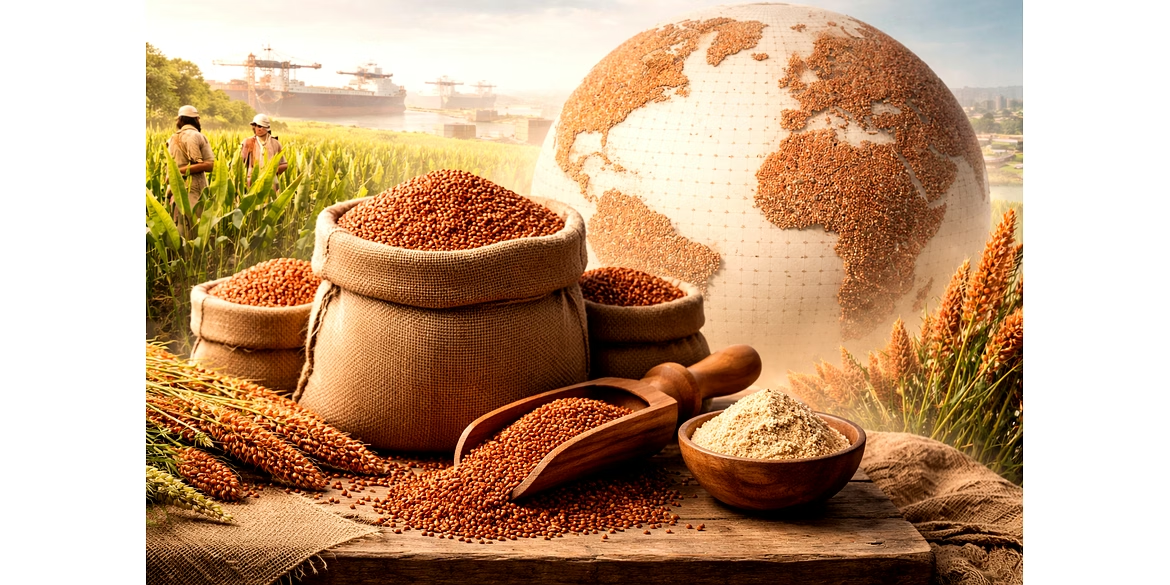

India is one of the world’s leading producers and exporters of Finger Millet (Ragi), a nutrient-rich ancient grain widely used in gluten-free food products, health foods, and functional nutrition markets. With rising global demand for millets because of their high fiber and mineral content, international buyers are increasingly sourcing bulk Ragi from India.
For importers, grain distributors, and food manufacturers, understanding sourcing standards, export documentation, quality parameters, and supply logistics is essential before placing bulk orders. This guide explains everything global buyers need to know about importing Finger Millet (Ragi) from India.
Why Import Finger Millet (Ragi) from India?
India has strong agricultural production in millets, supported by suitable climatic conditions, traditional farming practices, and a well-established grain supply chain. Finger Millet is cultivated extensively across South India and other millet-producing regions, making India a reliable sourcing destination for global buyers seeking consistent bulk supply.
Key advantages of sourcing Ragi from India include:
Large-scale millet production capacity
Competitive bulk pricing
Experienced grain exporters
Established international shipping routes
Strong domestic cleaning and grading facilities
Indian millets are widely exported to Asia, Europe, North America, and other health-focused markets.
Before importing Finger Millet, buyers should define clear product specifications to ensure consistency, compliance, and suitability for end use. In bulk grain trade, proper specification alignment helps reduce quality disputes and supports long-term procurement reliability.
Important technical parameters include:
Grain size and uniformity
Moisture percentage
Foreign matter content
Cleaning and grading standards
Organic or conventional classification
Buyers should communicate their preferred grade, moisture tolerance, and packaging needs before order confirmation. Clear specification agreements help ensure smoother shipments and predictable product quality.
Applications of Finger Millet in Global Markets
Finger Millet is widely used across international food industries due to its nutritional benefits and growing popularity in wellness-focused consumer segments. It is rich in calcium, dietary fiber, iron, and plant-based nutrients, making it attractive in health-conscious and functional food markets.
Common commercial applications include:
Gluten-free flour production
Breakfast cereals and health mixes
Bakery product blends
Infant and weaning food formulations
Nutritional supplement products
Demand for millet-based products continues to grow in international markets as consumers increasingly seek ancient grains, gluten-free ingredients, and nutrient-dense plant-based foods.
Importing Ragi from India requires proper export documentation and compliance with the destination country’s agricultural and food import regulations. Accurate paperwork is essential to avoid customs delays, shipment holds, and documentation-related trade issues.
Typical export documents include:
Commercial Invoice
Packing List
Bill of Lading
Certificate of Origin
Phytosanitary Certificate if required
Quality inspection reports
Buyers should verify their country’s grain import regulations before shipment.
Bulk Packaging & Shipping Options
Finger Millet is generally exported in bulk packaging suitable for sea freight. Proper packaging is important to protect the grain from moisture, contamination, and handling damage during international transit. Buyers should confirm both bag size and storage conditions based on their supply chain requirements.
Common export packaging methods include:
25 kg or 50 kg PP bags
Bulk jumbo bags
Palletized shipments
Containerized sea freight
Moisture-protected storage
Sea freight is typically preferred for large-volume Ragi exports because it offers better cost efficiency for bulk grain shipments.
Bulk pricing of Finger Millet depends on several trade and supply chain variables. Buyers should understand how seasonal production, cleaning level, order volume, and freight terms affect final landed cost when importing from India.
Factors influencing pricing include:
Crop yield and seasonal availability
Order quantity
Cleaning and grading level
Organic certification if applicable
Freight and insurance terms
Long-term supply contracts may offer better price stability and improved planning for importers who require recurring shipments of Ragi or other millets.
Choosing a Reliable Finger Millet Exporter
Working with a registered and compliant exporter helps ensure smoother transactions, better documentation accuracy, and more reliable supply continuity. For international buyers, supplier verification is a key step in reducing procurement and compliance risk.
Before finalizing a supplier, verify:
Valid Import Export Code (IEC)
Agricultural export registration
GST registration
Export track record
Clear documentation practices
Establishing long-term partnerships with reliable exporters improves supply consistency and reduces procurement risk.
The global shift toward plant-based diets, gluten-free foods, and functional nutrition products has increased the demand for millets, including Finger Millet. Health-conscious consumers and food brands are increasingly incorporating Ragi into product formulations because of its nutritional profile and ancient grain appeal.
Major growth drivers include:
Rising gluten intolerance awareness
Preference for ancient grains
Nutritional value of millets
Government promotion of millet cultivation
Expansion of health food retail markets
These market trends present strong opportunities for international importers, health food brands, and ingredient distributors sourcing Ragi from India.
Frequently Asked Questions (FAQ)
1. Is India a major exporter of Finger Millet (Ragi)?
Yes, India is one of the largest producers and exporters of Finger Millet globally, supported by strong agricultural capacity and established grain trade channels.
2. What is the typical moisture level required for export-grade Ragi?
Moisture levels vary by buyer requirements, but exporters generally supply properly dried and graded grain suitable for international trade and storage.
3. Can Finger Millet be exported in organic form?
Yes, organic Ragi may be available depending on supplier certifications, traceability, and sourcing arrangements.
4. What is the preferred shipping method for bulk millet export?
Sea freight is commonly used for bulk shipments because it is more cost-effective for large-volume grain exports.
5. Do importers require a phytosanitary certificate?
In many countries, phytosanitary certification is required for grain imports, so buyers should confirm destination-country rules before shipment.
6. What industries commonly import Finger Millet?
Food manufacturers, health food brands, gluten-free product companies, grain distributors, and functional nutrition businesses commonly import Ragi.
7. How can buyers ensure consistent supply from India?
By working with registered exporters, defining clear quality specifications, and establishing long-term procurement agreements, buyers can improve supply consistency and reduce sourcing risk.